
Category: Products
Exhaust Systems
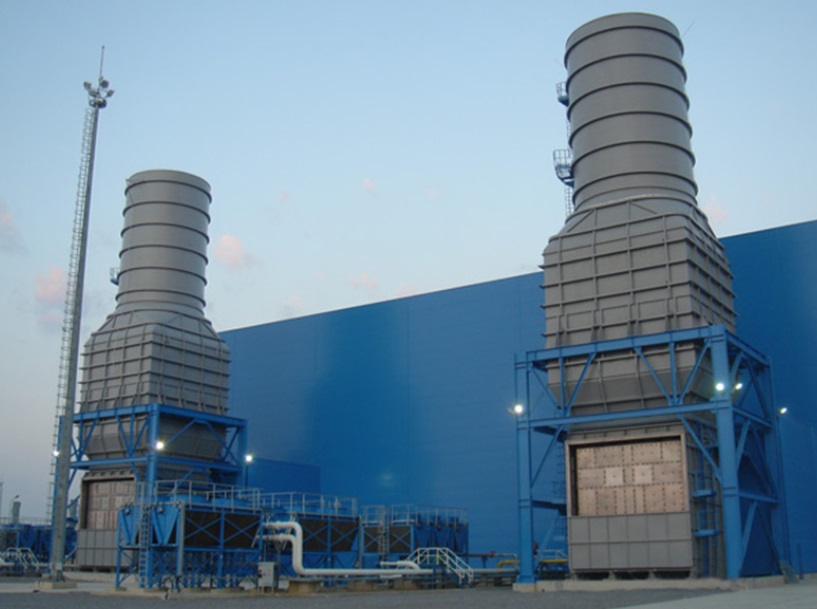
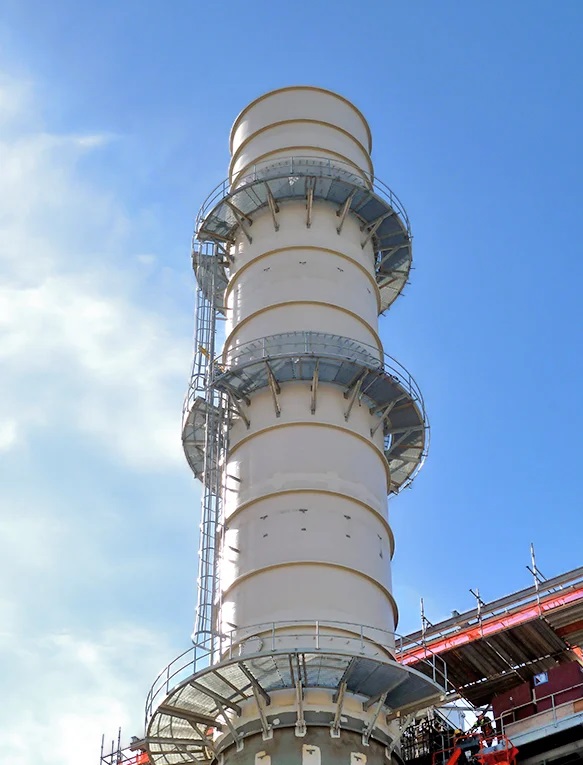
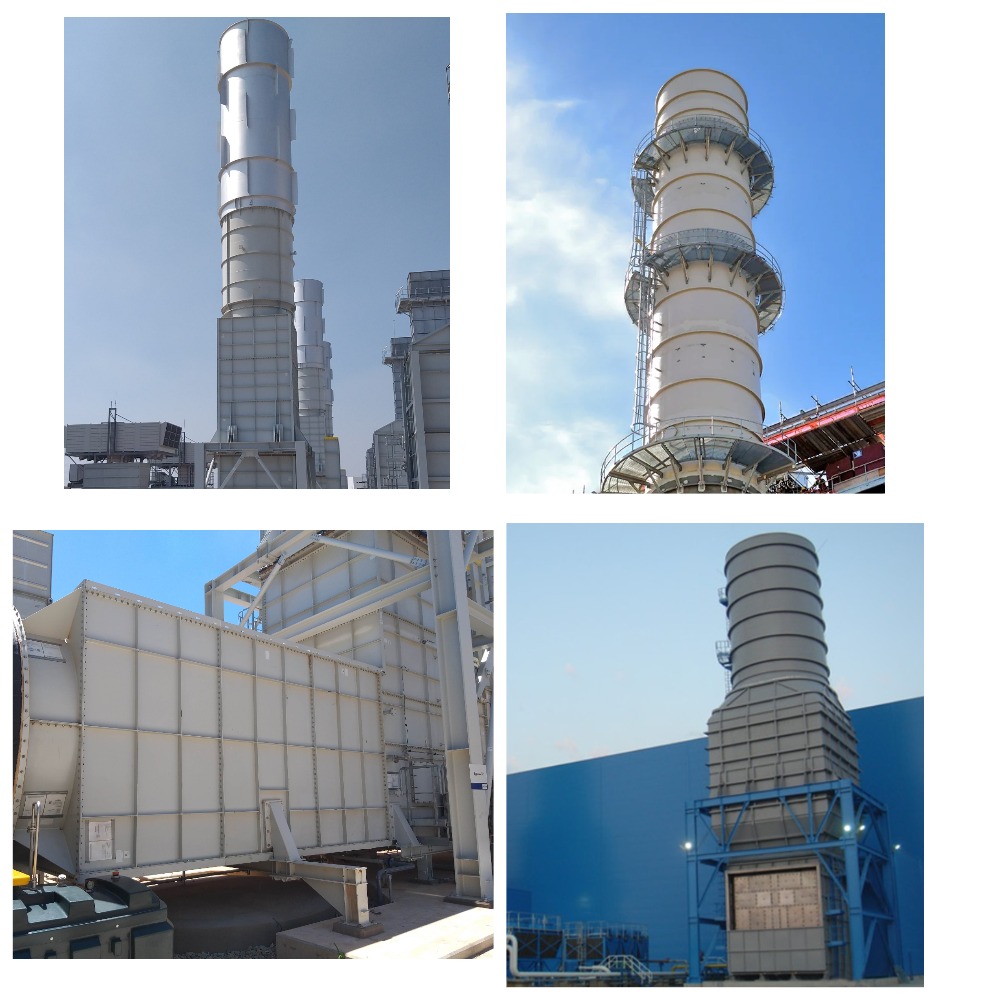
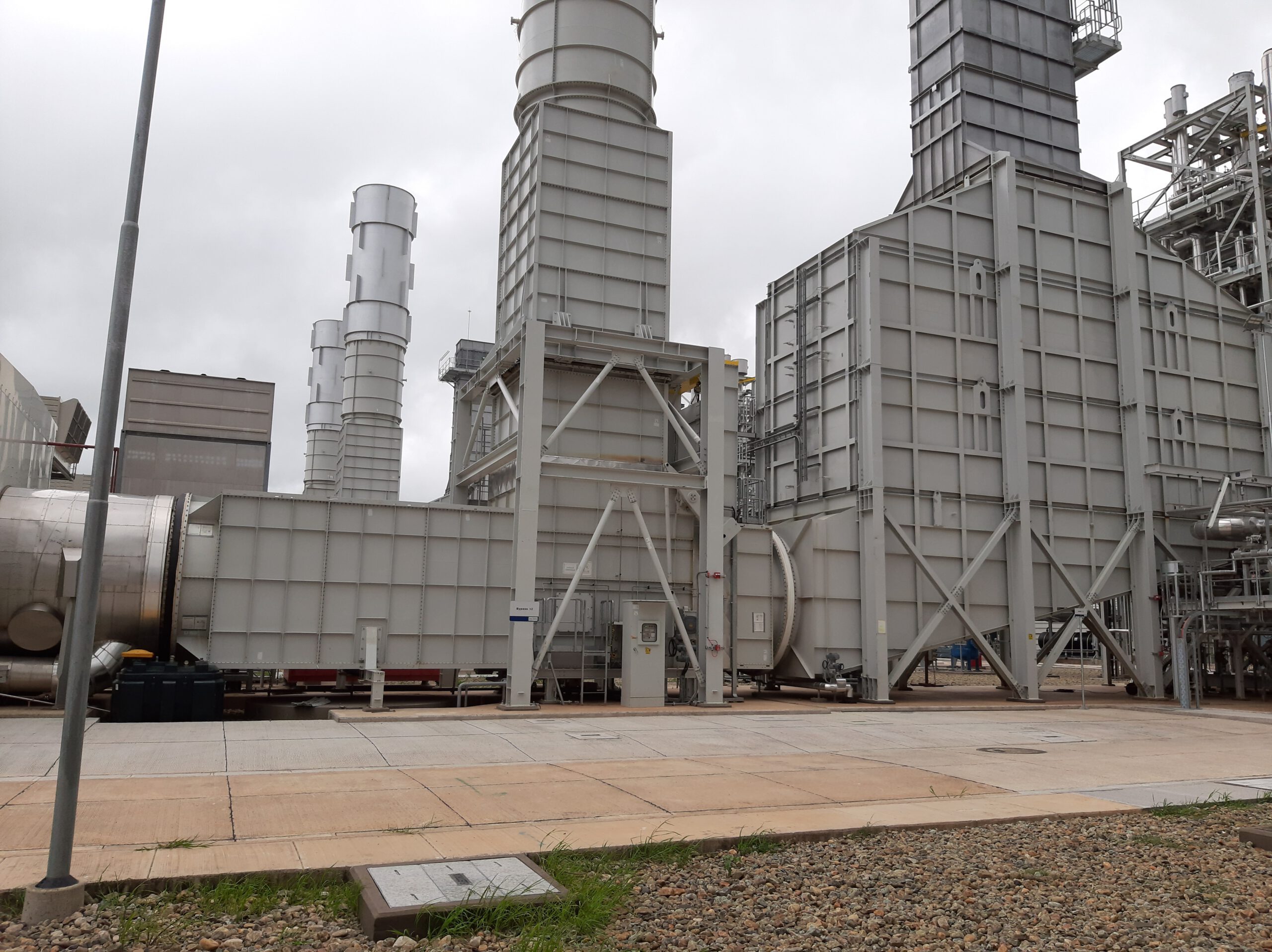
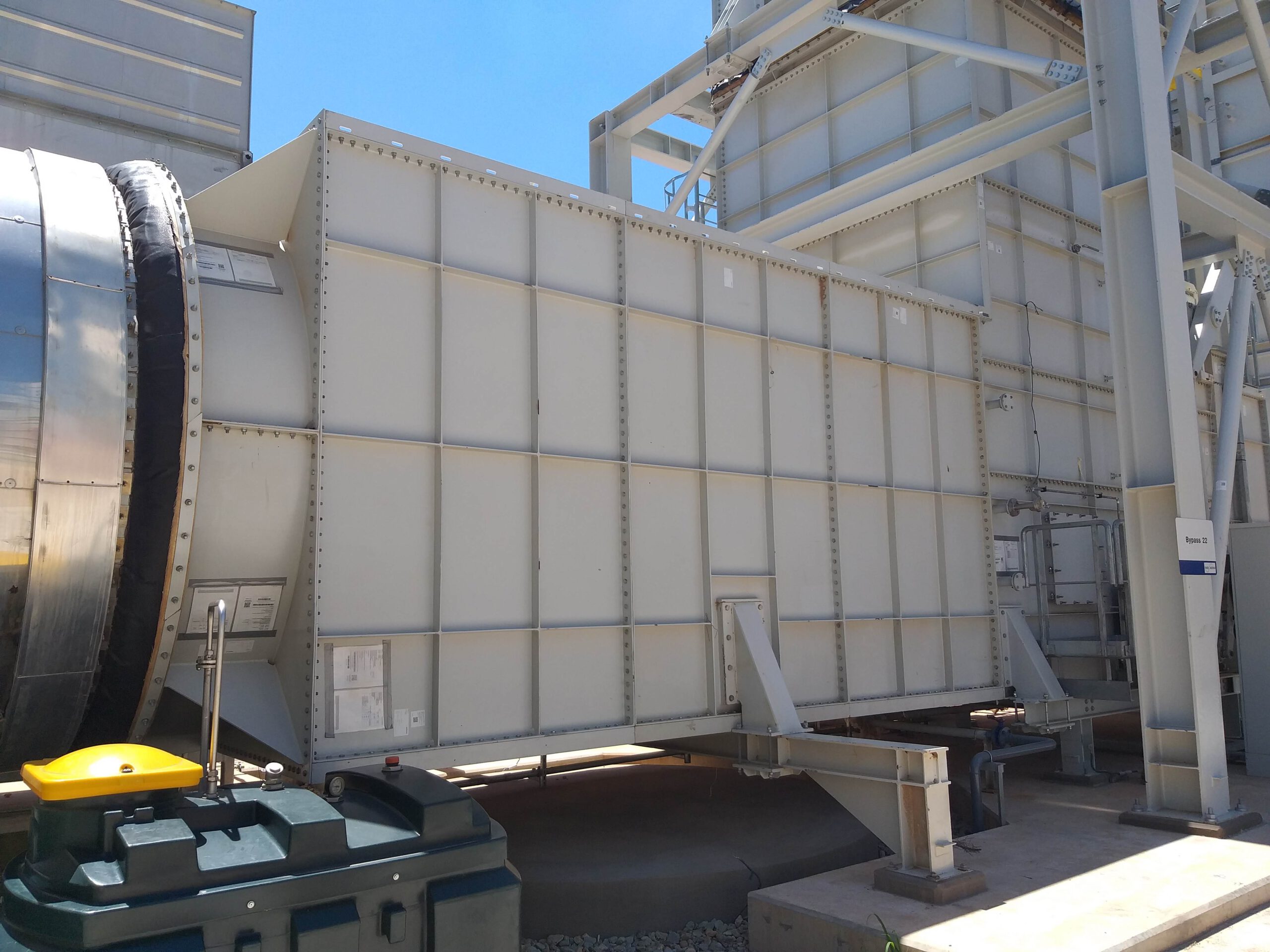
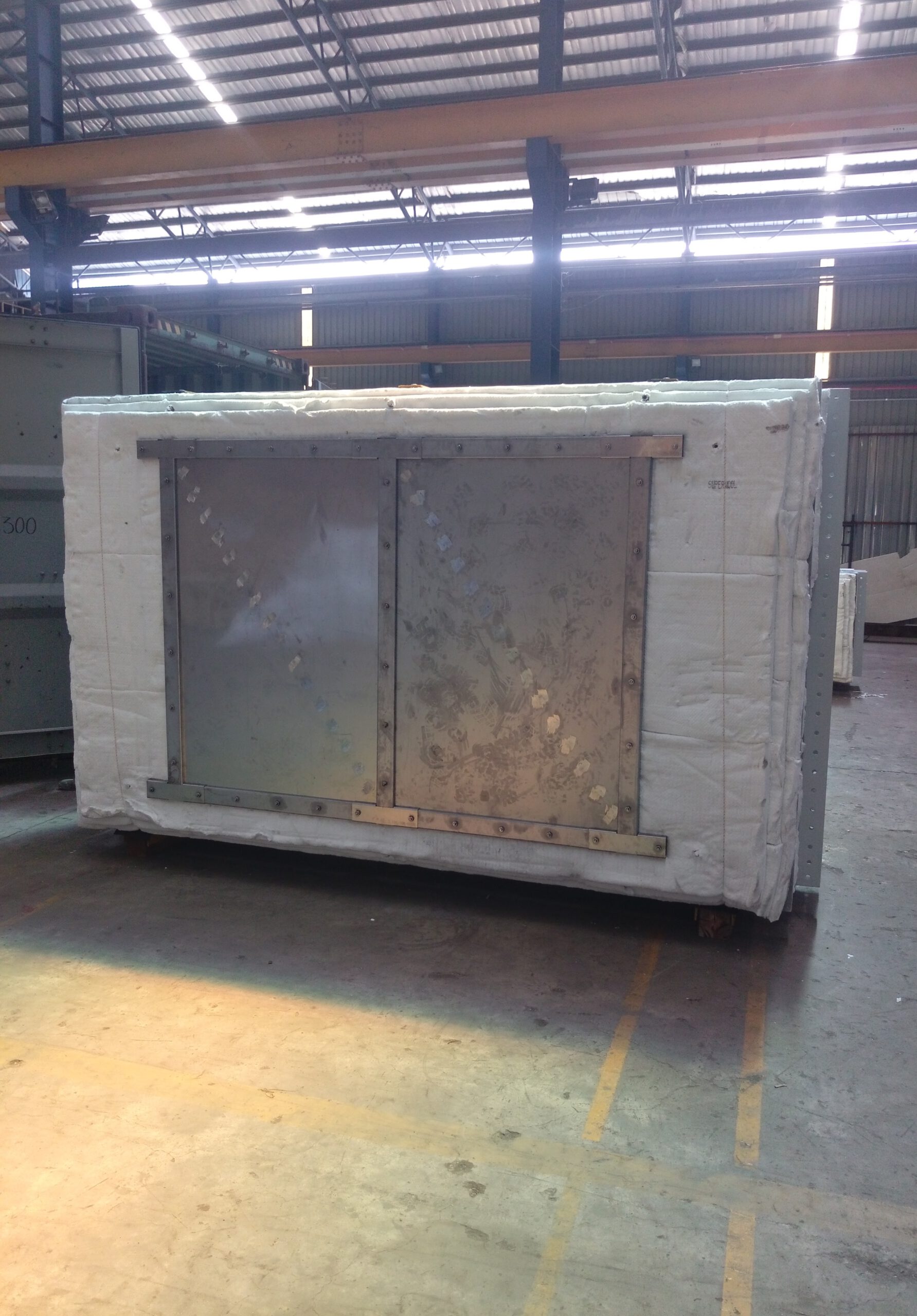
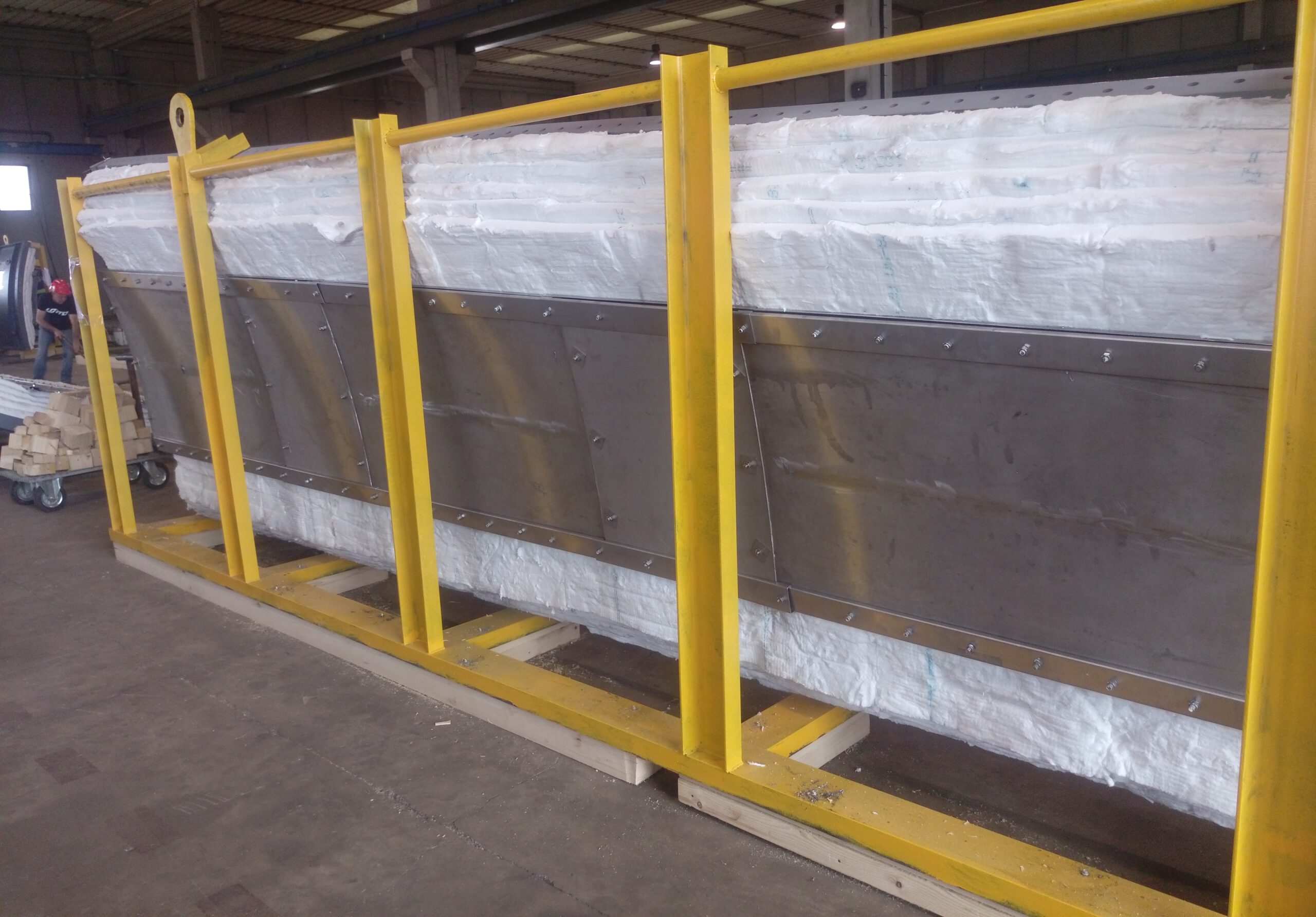
Gas turbine exhaust systems are the link between the Gas turbine and the Heat Recovery Steam Generator or build for open cycle operation with high performance silencer. Our exhaust systems scope of supply contents:
- GT Expansion Joint
- Diffuser Duct
- Damper or Diverter
- Steel Structure for Bypass Stack
- Silencer Casing and Silencer
- Bypass Stack
- Supplement firing systems
- Duct towards the HRSG
- Guillotine Damper
- Small HRSGs
- Main Stack
- Stack Damper
Send us your technical requirements, and we'll find the best solutions at competitive prices worldwide. We guarantee not only competitive technical specifications but also swift delivery, ensuring your complete satisfaction and service efficiency.
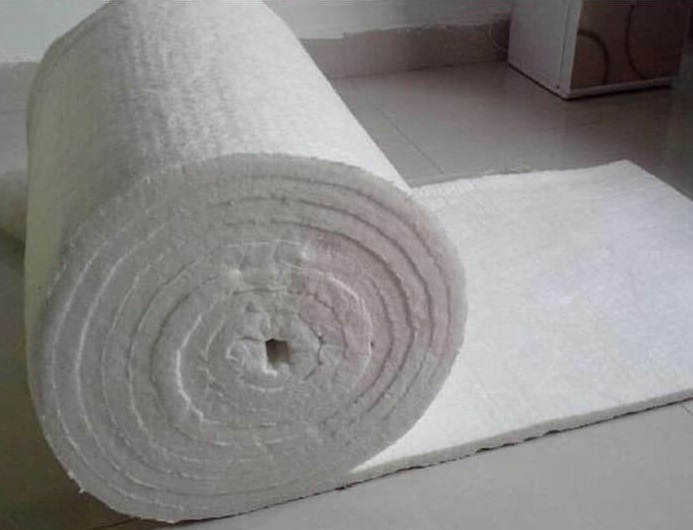
Ceramic fiber enerfrax®
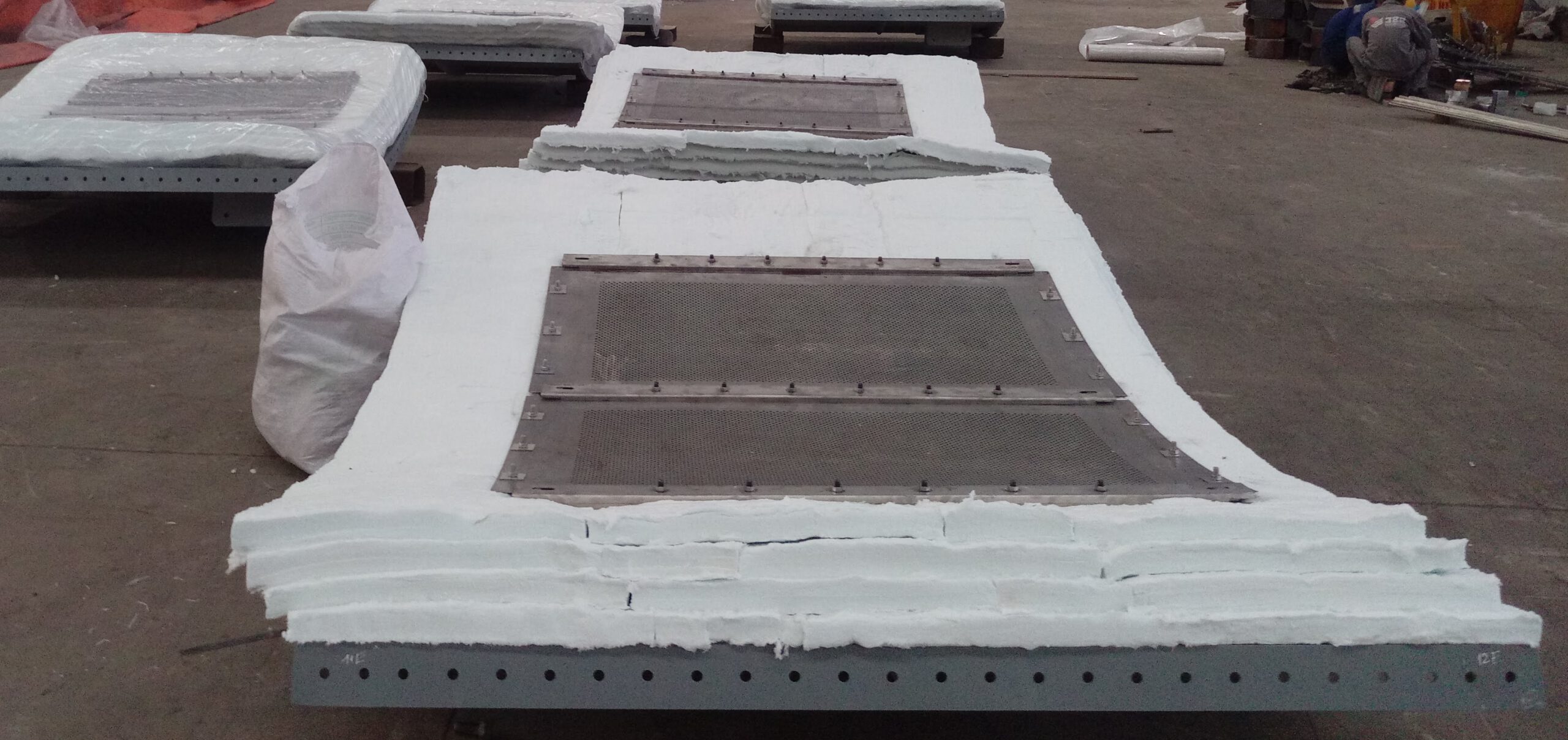
Ceramic fiber is an indispensable material in the energy and industry sectors, due to its unique properties. enerfrax products are distinguished by exceptional heat resistance and efficiency, which makes them an ideal choice for a wide range of applications. One of the key advantages of enerfrax thermal insulation wool is its ability to withstand extreme temperatures up to 1430°C without losing its insulating properties. This allows you to effectively protect equipment from overheating, ensuring stable operation even in the harshest conditions.
- The ceramic fiber material is available:
- Ceramic fiber rolls
- Ceramic fiber boards
- Ceramic fiber modules
- Ceramic fiber cloth
- Ceramic fiber rope
- Ceramic fiber tape
- Refractory Bricks
Send us your technical requirements, and we'll find the best solutions at competitive prices worldwide. We guarantee not only competitive technical specifications but also swift delivery, ensuring your complete satisfaction and service efficiency.
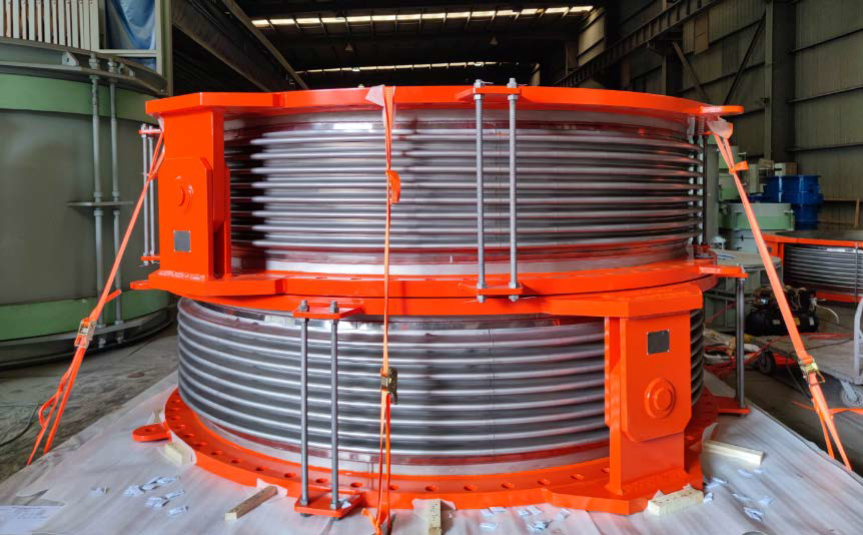
Expansion joints Fabric & Metal
Expansion joints, whether fabric or metal, compensate for longitudinal expansion of the pipe or channel in all three directions and effectively interrupt vibrations. We supply compensators for the following industries:
- Fossil fueled Power Plants
- Gas Turbine Power Plants
- Chemical and Petrochemical Plants
- Steel Mills
- Cement Mills
Send us your technical requirements, and we'll find the best solutions at competitive prices worldwide. We guarantee not only competitive technical specifications but also swift delivery, ensuring your complete satisfaction and service efficiency.
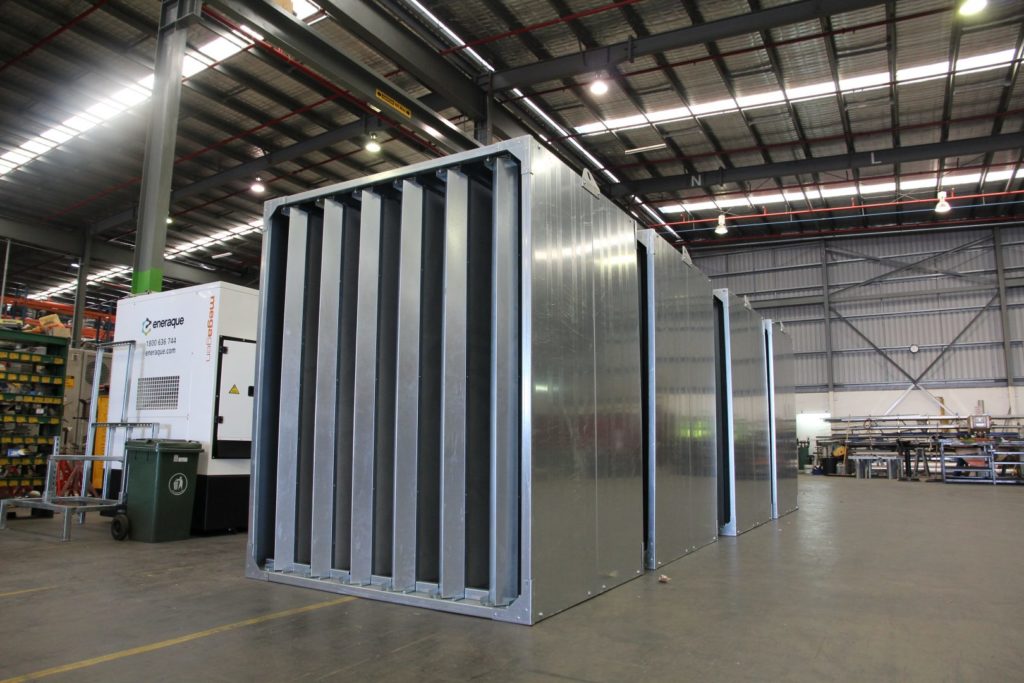
Silenser
We supply a complete range of silencers for diesel and natural gas engines for installations from small to large, as well as all the necessary accessories. We supply custom inlet and exhaust silencers for gas turbine application.
We design silencers with an attenuation range of LP 30 to 60 dB.
Silencers can be absorptive, resonant or reactive, and in most cases a combination of these. Acoustic and velocity/pressure drop calculations for each design should be performed in parallel to obtain the most optimized result.
Send us your technical requirements, and we'll find the best solutions at competitive prices worldwide. We guarantee not only competitive technical specifications but also swift delivery, ensuring your complete satisfaction and service efficiency.